


English Literature & Language
(GCSE and iGCSE are available)
GCSE English Literature (AQA)
Our GCSE English Literature course involves the exploration of a range of modern and 19th century novels, plays and poems as well as a Shakespeare play. We will examine the plot, context, themes, structural and linguistic techniques deployed by seminal authors. This will be an inspiring and engaging course that will closely follow the AQA syllabus to ensure that key skills are practiced so students can tackle the GCSE examinations with confidence.
Syllabus:
AQA | English | GCSE | GCSE English Literature
Click on the link above to discover the AQA specification for GCSE English Literature.
Recommended Texts:
- Shakespeare:
Macbeth: GCSE 9-1 set text student edition (Collins Classroom Classics) PLUS Oxford School Shakespeare GCSE Macbeth Revision Workbook
OR
Much Ado About Nothing: William Shakespeare (Penguin Classics) PLUS Snap Revision Much Ado About Nothing
(NOTE - You can also find these texts, free, on Open Source Shakespeare online)
- 19th Century Novel:
A Christmas Carol (Scholastic Classics) PLUS A Christmas Carol: GCSE Revision Guide and Practice Book for AQA
OR
Great Expectations: GCSE 9-1 set text student edition (Collins Classroom Classics) PLUS Great Expectations: York Notes for GCSE
- Modern Text:
Lord of the Flies by Golding, William Paperback Book PLUS Snap Revision Lord of the Flies
OR
An Inspector Calls (Heinemann Plays For 14-16+) PLUS Snap Revision AQA An Inspector Calls
- Poetry Cluster:
Power and Conflict
AQA Poetry Anthology - Power and Conflict: York Notes for GCSE (9-1): Second edition: - everything you need to catch up, study and prepare for 2022 and 2023 assessments and exams
These novels and plays can be watched online using You Tube and this is thoroughly encouraged.
IMPORTANT NOTE: Should you wish to study different texts on the AQA syllabus please do ask and we will endeavour to fulfil this request.
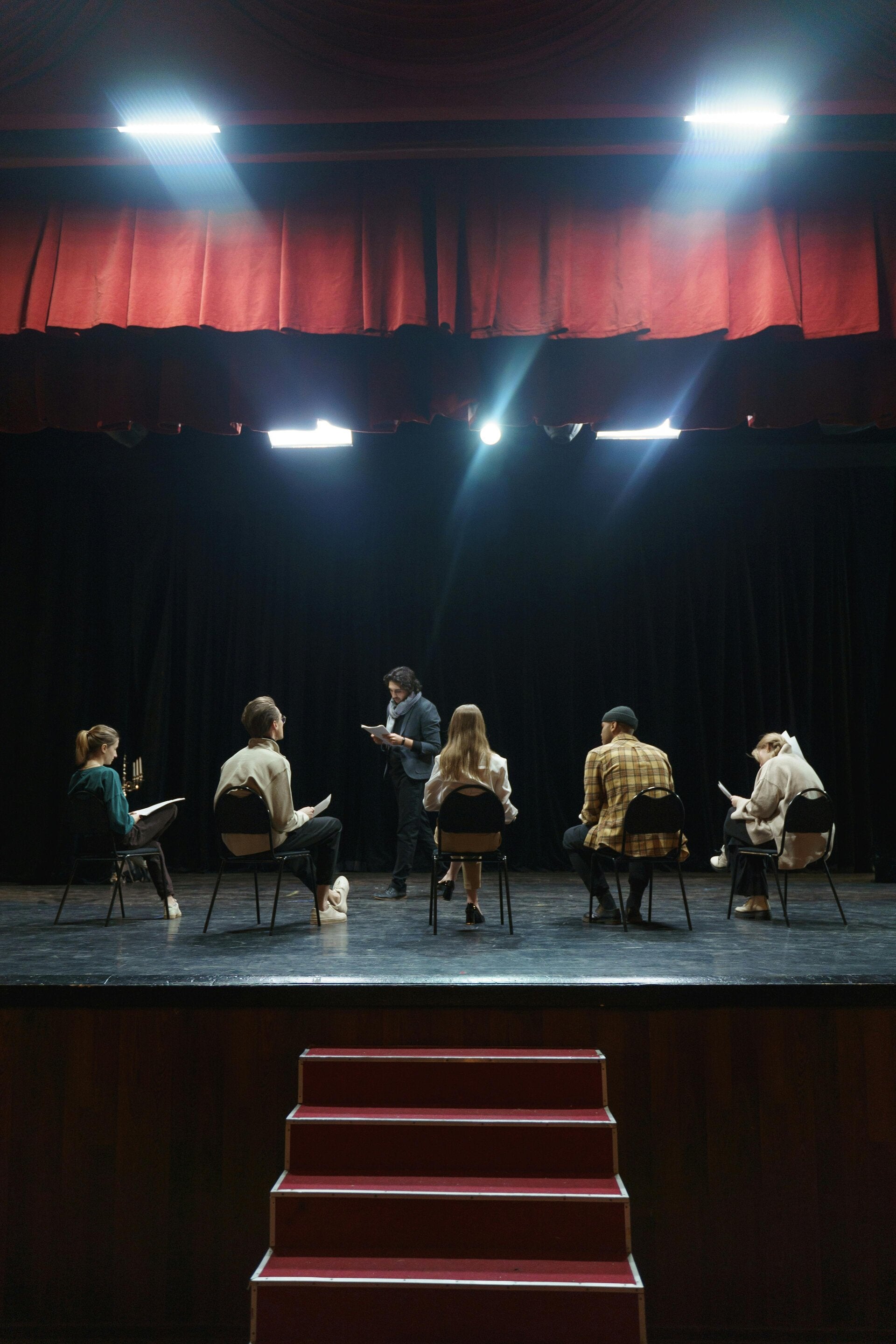
GCSE English Language (AQA)
Our GCSE English Language course involves the exploration of a range of modern and 19th century extracts. We will analyse a range of fiction and non-fiction texts, exploring the language and structural techniques deployed by expert writers in these two fields. Students will use these models and our analysis to develop their own transactional, descriptive and narrative writing. This will be a fun and engaging course but will closely follow the AQA syllabus to ensure that key skills are practiced so that students can tackle the GCSE examinations.
Syllabus:
AQA | English | GCSE | GCSE English Language
Click on the link above to discover the AQA specification for GCSE English Language.
Paper 1: Explorations in Creative Reading and Writing
Paper 2: Writers' Viewpoints and Perspectives
Non-examination Assessment: Spoken Language (5-10minute presentation on a topic of your choice)
Recommended Texts:
AQA GCSE English Language: Student Book 1
by Helen Backhouse
AQA GCSE English Language: Student Book 2
by Jane Branson and Peter Ellison
Students are encouraged to read current affairs and a variety of fiction and non-fiction texts to help develop their comprehension and writing skills.
NB: It is highly recommended that two hours per week of tuition takes place in term time over two years for each GCSE. This will ensure students are well prepared. Students will be informed which specific set texts need to be purchased to support their learning. Click on the links below for the Specifications, Past Papers and Mark Schemes for these courses.

A Level English Literature and Language (AQA)
Our A Level English Literature course comprises close examination of both contemporary and historic novels and poetry. Students will explore themes, character development, and literary techniques, helping them to develop critical thinking and analytical skills. Most importantly, they will cultivate a love of literature, studying of a rich tapestry of work spanning two centuries. Context is everything and an understanding of the history of the literature and the writers' influences is key.
Frequent practice of examination skills, including essay writing, will ensure students are well-prepared for the demands of the examination.
Syllabus:
GCSE English 8702 | Specification | AQA
Click on the link above to discover the AQA specification for A Level English Literature.
Recommended Texts:
Paper 1 Love through the ages
Othello (W Shakespeare) / An Anthology of Post 1900 Love Poetry / Wuthering Heights (E Bronte)
Paper 2 Texts in shared contexts - WW1 and its aftermath
Journey's End (RC Sherriff), All Quiet on the Western Front (EM Remarque), World War One Poetry Anthology
Paper 3 Independent critical study: texts across time
Non-exam assessment: Independent critical study: texts across time. This is a comparative critical study of two texts (at least one of which must have been written pre-1900) leading to an extended essay (2500 words) and a bibliography.
AQA | English | A-Level | A-level English Literature A
Our A Level English Language course is exciting and ensures that students develop a wide range of skills and a deep understanding of a variety of genres. They develop their understanding of techniques deployed in spoken and written texts and they explore variation of language across time and according to gender, age, geographic location and class. They study the historic evolution of English as well as child language development.
Syllabus:
A-level English 7702 | Specification | AQA
Click on the link above to discover the AQA specification for A Level English Literature.
Paper 1: Language, the Individual and Society
- Textual variations and representations
- Children's language development (0-11 years)
- Methods of language analysis are integrated into the activities
Paper 2: Language Diversity and Change
- Language diversity and change
- Language discourses
- Writing skills
- Methods of language analysis are integrated into the activities
Non-exam assessment: Language in Action
What's assessed
- Language Investigation
- Original Writing
- Methods of language analysis are integrated into the activities
Tasks
Students produce:
- a language investigation (2,000 words excluding data)
- a piece of original writing and commentary (1,500 words total)
NB: It is highly recommended that three hours per week of tuition takes place in term time over two years for each A Level. This will ensure students are well prepared. Students will be informed which specific set texts need to be purchased to support their learning.

Key Stage 3, 11+CE, 13+CE, Scholarship, IELTS Coaching and Business English
Our Key Stage 3 courses adapt to the individual child. In most cases, students will study two novels across a year. One will be a modern text, another a 19th century text and we will also read and enjoy a Shakespeare play. A love of poetry will also be inspired and children will develop their persuasive writing and their descriptive and narrative writing. An exciting array of activities will ensure the children are engaged and enthused by their studies in readiness for Key Stage 4.
CE and Scholarship courses will do the above but with very close attention to the demands of the ISEB and public school examinations. Greater rigour and stretch will be applied in line with the student's goals and ability.
Our IELTS Coaching is focused on equipping students with the skills necessary to achieve their desired band scores in the IELTS examination. We cover all four components of the test: listening, reading, writing, and speaking, providing targeted practice and feedback. We help students develop effective test strategies and enhance their English language proficiency..
Business English will be adapted according to the demands of the client, however, we will work on strengthening written communication, debate, interviewing skills and public speaking.
All the courses above will be adapted so they are tailored to the specific needs, strengths and weaknesses of the students. They will also be engaging, inspiring and fun. It is highly recommended that two hours per week of tuition takes place over two years to prepare for any public examinations. This will ensure students are well prepared and confident. Click on the links below for the Specifications, Past Papers and Mark Schemes for some of these courses.
ISEB Common Entrance English Exam | ISEB CE Assessments
IELTS (International English Language Testing System) test format | Cambridge English